Strength & Power: What are they and why are they both important?
By
February 22, 2026

Strength and power training are two sides of the same coin: both make you more capable in the gym now, and both are powerful investments in your long‑term brain health and longevity. This post will walk you through what they are, why they matter, and how our upcoming strength cycles are built to help you train for a stronger body and sharper mind.
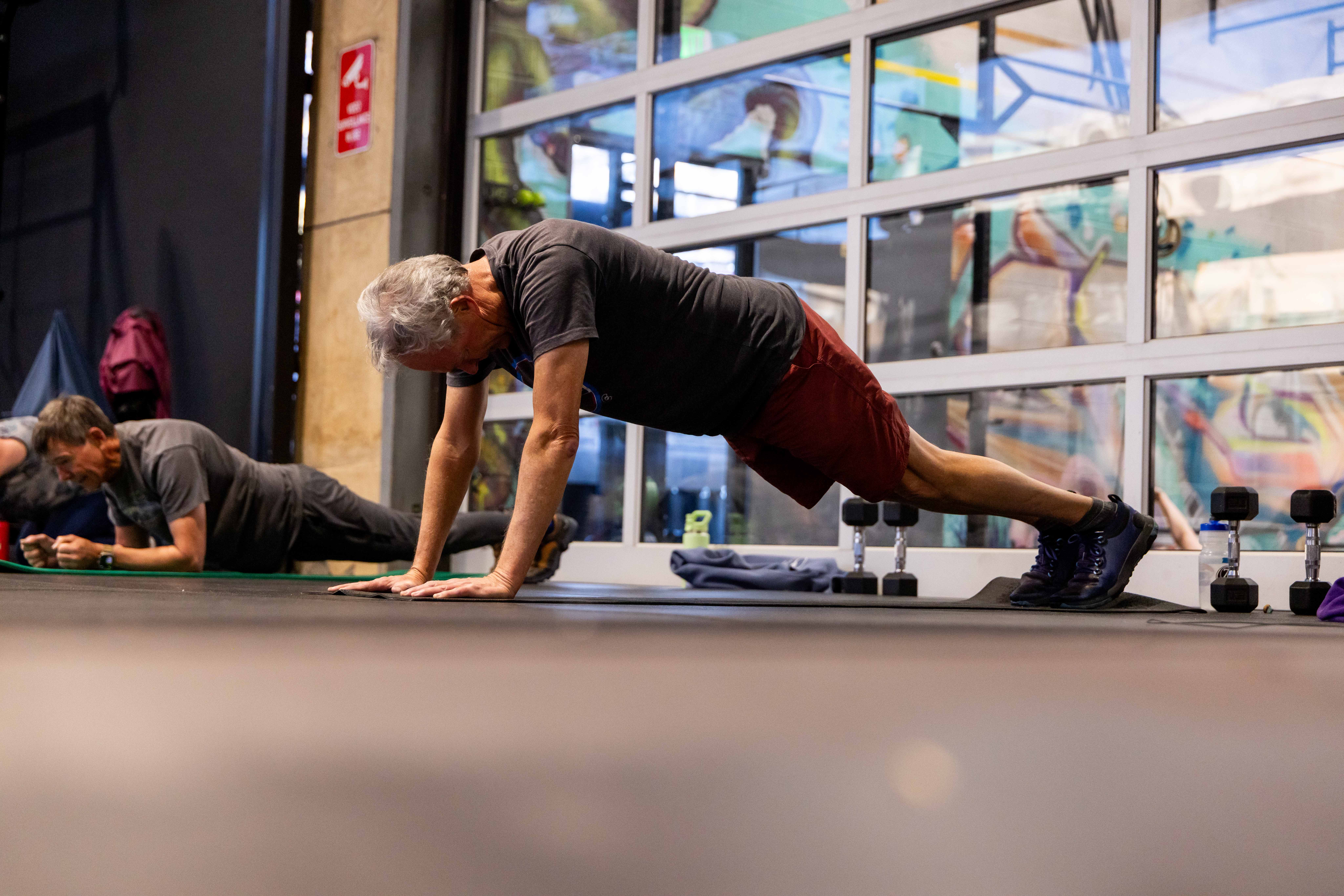
When we talk about strength, we’re talking about how much force you can produce, often measured by slower, heavier lifts like squats, deadlifts, presses, and pull‑ups. Strength training usually involves controlled reps, moderate to heavy loads, and a focus on bracing, position, and tension to move weight well.
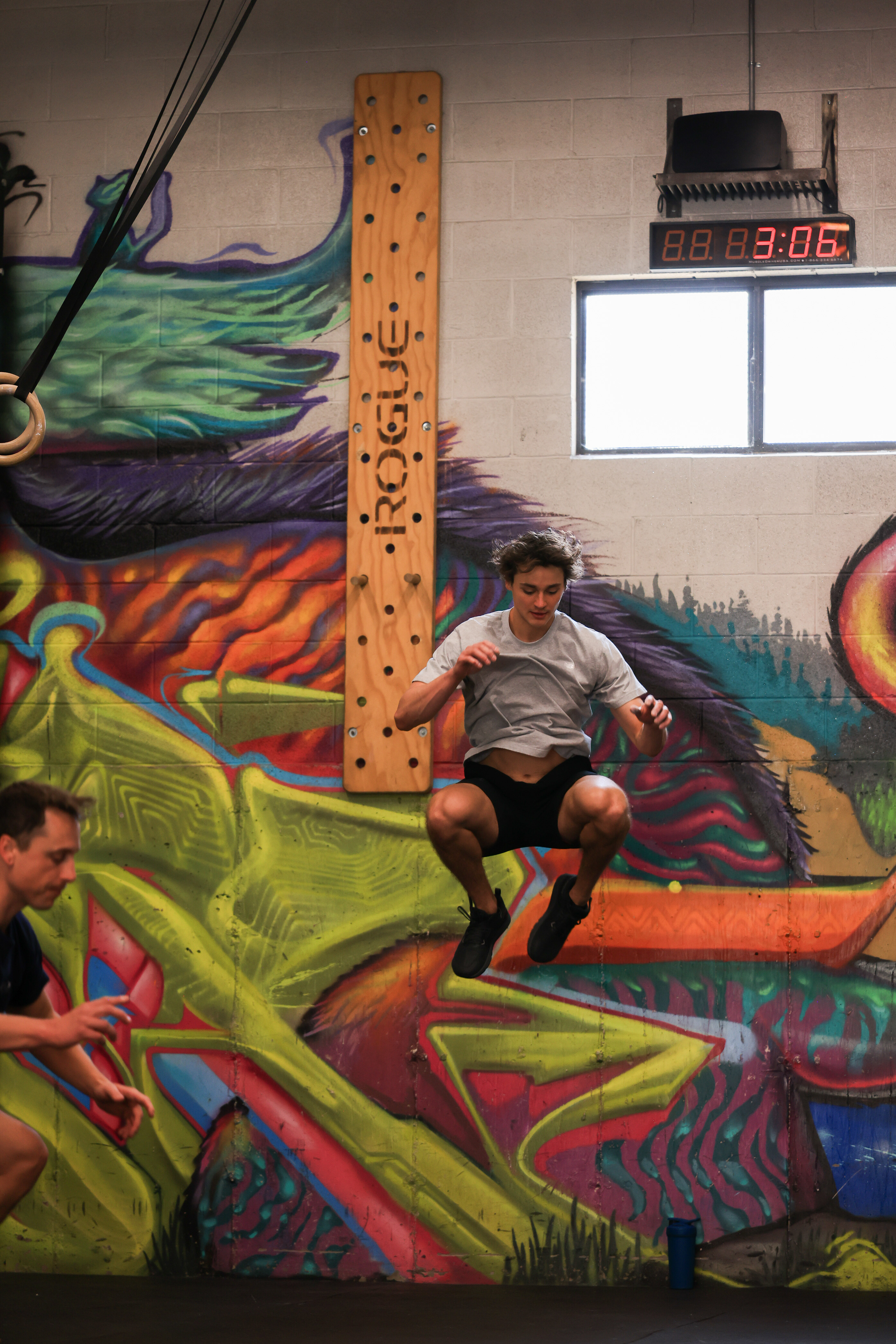

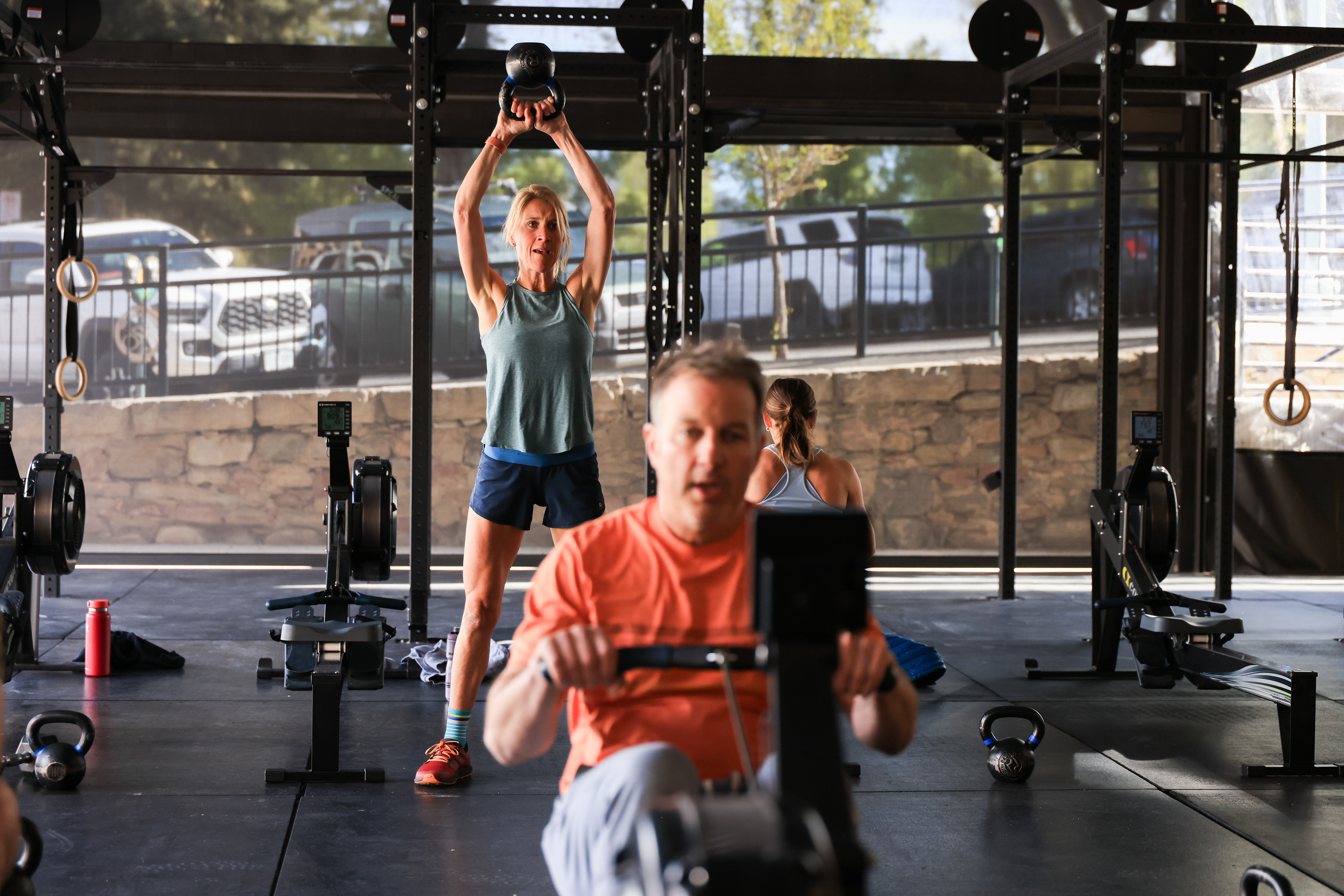
Power is strength expressed quickly: it’s how fast you can produce force, like a jump, kettlebell swing, or an explosive drive out of the bottom of a squat. Power training uses lighter to moderate loads moved fast, emphasizing speed, intent, and crisp, high‑quality efforts rather than grinding reps.
In practice, you need both. Strength gives you the “engine,” and power training teaches you to use that engine quickly, efficiently, and athletically in real‑world movement and sport.
Stronger legs are linked to a stronger mind. A long‑term twin study of 324 older adults found that leg power in midlife predicted healthier cognitive aging and better overall brain structure 10–12 years later. Even after accounting for genetics, early‑life environment, lifestyle, and health factors, the twin with higher leg power experienced slower cognitive decline and had more grey matter than their genetically identical but less powerful twin.
The authors summed it up clearly: leg power predicts both cognitive aging and global brain structure, and long‑term interventions to improve leg power may help support healthy cognitive aging. In other words, those explosive lower‑body sessions are not just about bigger lifts or faster WOD times—they are part of how you protect your brain for the long haul.
A growing body of research shows that resistance (strength) training meaningfully benefits brain function, especially as we age. Systematic reviews and meta‑analyses of randomized controlled trials in older adults report that resistance training improves overall cognition, working memory, verbal learning, spatial memory, and executive functions such as planning, focus, and conflict resolution.
On the longevity side, large analyses show that adding around 30–60 minutes per week of strength training is associated with lower all‑cause mortality, fewer cardiovascular events, and reduced cancer risk. One meta‑analysis reported that people who performed regular strength training had roughly 17–30% lower risk of death over follow‑up periods of about 8–10 years, especially when combined with aerobic activity.
Muscle power may be an even stronger predictor of survival than strength alone. A recent prospective study of middle‑aged and older adults found that relative muscle power was a more powerful predictor of mortality risk than relative strength, suggesting that training to move well and move fast really matters for long‑term health.
A strength cycle is a structured weight‑training phase designed to increase strength over time using planned progressions in load, sets, and reps. When we pair that with targeted accessory work—single‑leg variations, core training, upper‑back work, stability and control around the big lifts—we can build muscle, improve performance, and reduce injury risk while supporting healthy aging.
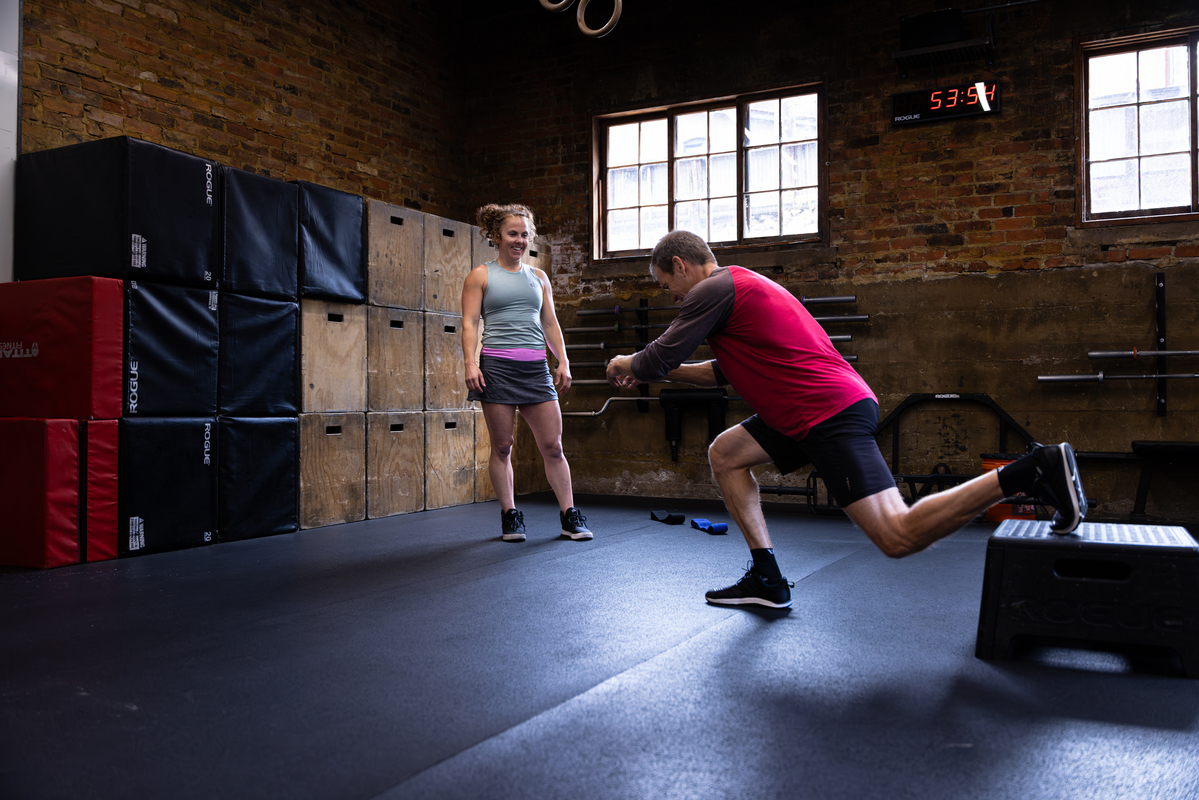
Strength accessory work includes the “supporting cast” around your squat, deadlift, bench press, pull‑ups, and other primary lifts: think split squats, RDLs, rows, carries, tempo work, and rotational core. These moves help you fill in weak links, improve joint health, and make your main lifts stronger and more sustainable over the long term.
Our upcoming 4‑week strength cycle is specifically designed to blend strength and power for your lower body. We’ll prioritize explosive, high‑quality efforts—jumps, dynamic squats, kettlebell work, and other power‑focused patterns—on top of foundational strength work so you can safely and progressively build leg power. That combination supports better performance in class today and contributes to healthier brain ageing and overall resilience in the years ahead.
Our strength cycles are written as if an athlete is attending all weeks of the program, but you do not need to start on week one to belong here. If you drop into the middle of a cycle, your coach will help you find the right weights, rep schemes, and modifications so you can get stronger safely from day one.
You’ll see clear main lifts, accessory work, and power elements in each session, with coaching aimed at quality first: good positions, controlled tempos, and then speed or load as it makes sense for your body. Whether you’re chasing a heavier squat, more confident everyday movement, or long‑term brain health, there is a place for you in this class.
If you’ve been curious but unsure where to start, our second and third strength cycles for 2026 are coming up soon—check the gym calendar, grab a spot, and come train your legs as an investment in your future brain. We can’t wait to see you in class.
Upcoming Strength Class Cycles
4 Week Power Cycle March 2nd-March 29th: leg explosive power, upper body and core accessories
8 Week Strength Cycle March 30th-May 24th: Push Press, Back Squat, Sumo Deadlifts


.png)

.jpeg)


