Preparing for Ski Season in Colorado: Why Strength & Conditioning Matters
By
September 21, 2026
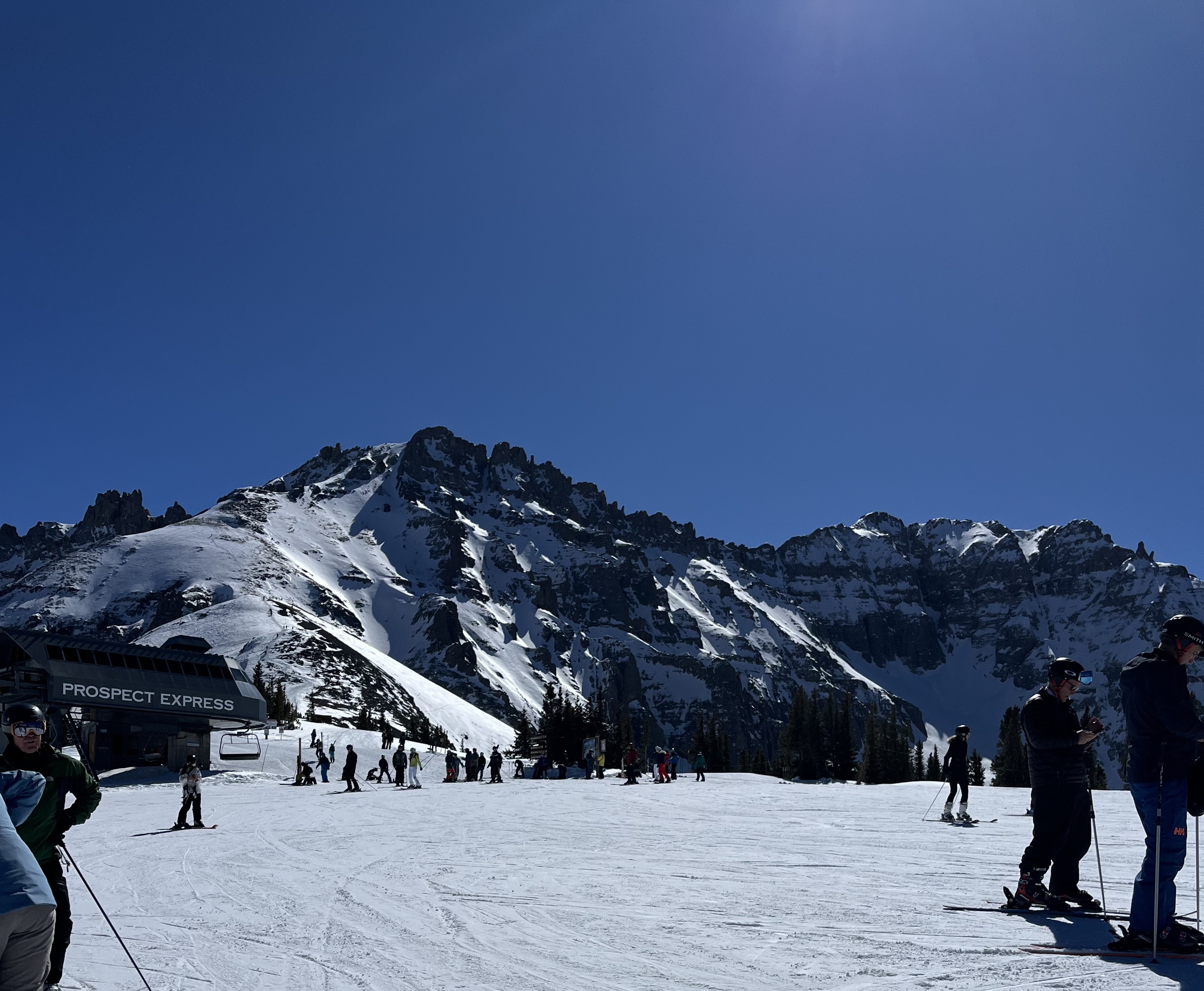

If you live in Colorado, ski season is probably already on your mind.
Maybe you're counting down to opening day at Purgatory. Maybe you're planning weekends at Telluride, Wolf Creek, or one of Colorado's other resorts. Or maybe you're looking forward to getting out into the backcountry for some fresh snow and earning your runs.
Either way, there's one thing that can make a huge difference in how much you enjoy the season: being physically prepared before you click into your skis or strap on your board.
Skiing or riding is demanding. Your legs are constantly absorbing and producing force, you're making quick adjustments to changing terrain, and you're often doing all of it at elevation for several hours at a time.
The good news is that you don't need to be a professional athlete to prepare for it.
A consistent strength and conditioning program can help you build the strength, endurance, balance, and control you need to get more out of your ski season.
When most people think about preparing for ski season, they think about their legs.
And yes, your quads are going to work.
But skiing is a full-body activity.
You need your glutes and hamstrings to help control your position and absorb force. Your hips need to be strong and stable. Your core needs to control your trunk while your lower body reacts to the terrain. And you need enough cardiovascular fitness to continue skiing well when you're several hours into the day.
That last part is especially important.
Your first few runs might feel great even if you're not in great shape. The real test comes later in the day when your legs are tired and the terrain gets more challenging.
The goal of ski conditioning isn't simply to make your legs stronger.
It's to help you maintain control and good movement when you're tired.
Skiing involves a lot of eccentric strength. Essentially, your muscles are working to control your body as you move against gravity.
Every turn, landing, bump, mogul, or change in terrain creates a demand on your lower body.
This is one reason strength training is so valuable for skiers.
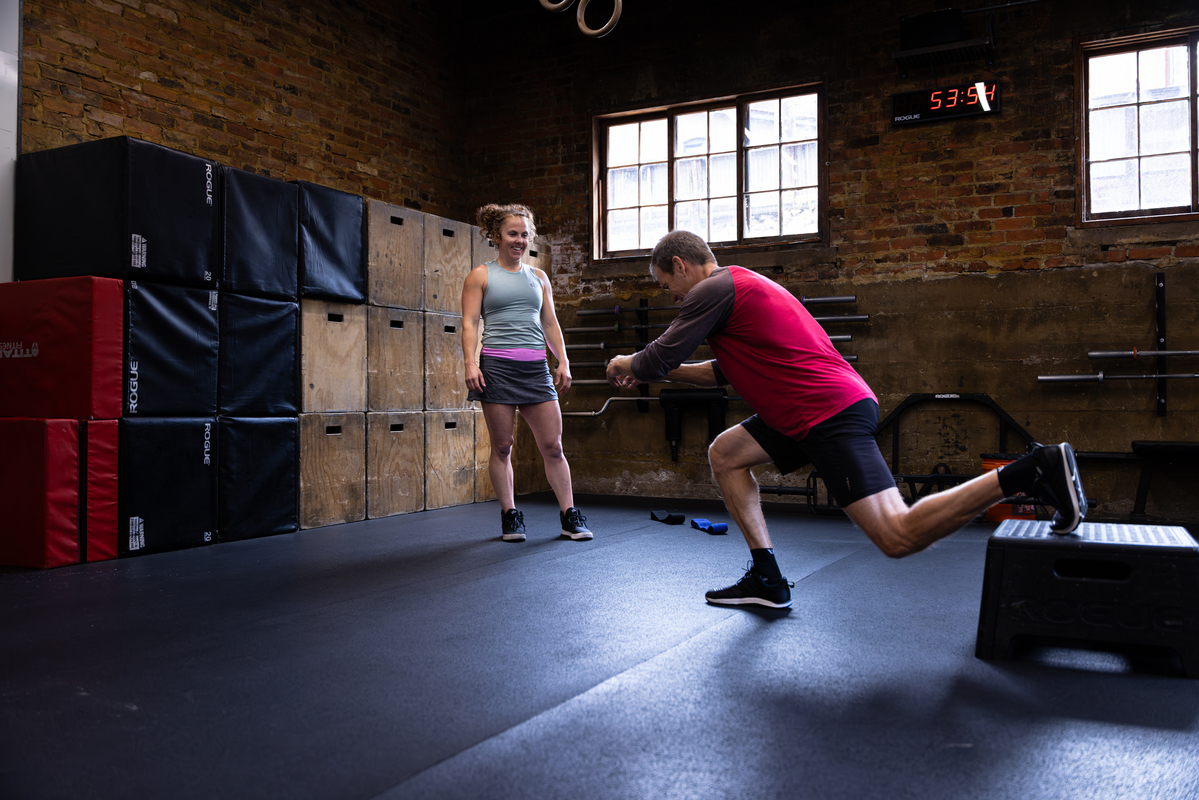
Squats, split squats, deadlifts, step-ups, lunges, and other lower-body movements can build the strength needed to handle those demands. Single-leg exercises are particularly useful because skiing constantly requires you to control and produce force through each leg.
But strength training shouldn't just be about making your legs stronger.
A good program should also include:
The goal isn't to copy a ski movement in the gym.
The goal is to build the physical qualities that allow you to perform better on the mountain.
You don't have to be a backcountry skier to benefit from ski conditioning.
A full day at the resort can be physically demanding.
You might ski 15-25 runs, spend hours standing in your boots, navigate bumps and variable snow, and repeatedly get on and off the lift. Even with the recovery provided by the chairlift, you're accumulating a lot of work over the course of a day.
Being stronger and better conditioned doesn't mean you'll never get tired. It means you have a bigger physical reserve to draw from when you do.
That can mean skiing more of the day, maintaining better technique later in the afternoon, and enjoying the mountain instead of counting down until you're done.
Backcountry skiing takes the physical demands of skiing and adds another major component:
You have to earn the downhill.
Instead of riding a chairlift, you're climbing.
Depending on the objective, that could mean several hours of skinning uphill before you ever start your descent.
That changes the training equation.
Backcountry skiers need both uphill endurance and downhill strength.
You need the aerobic capacity to move uphill for long periods of time, while also having the strength and control to ski down when you're already fatigued.
This is where a well-rounded strength and conditioning program becomes particularly valuable.
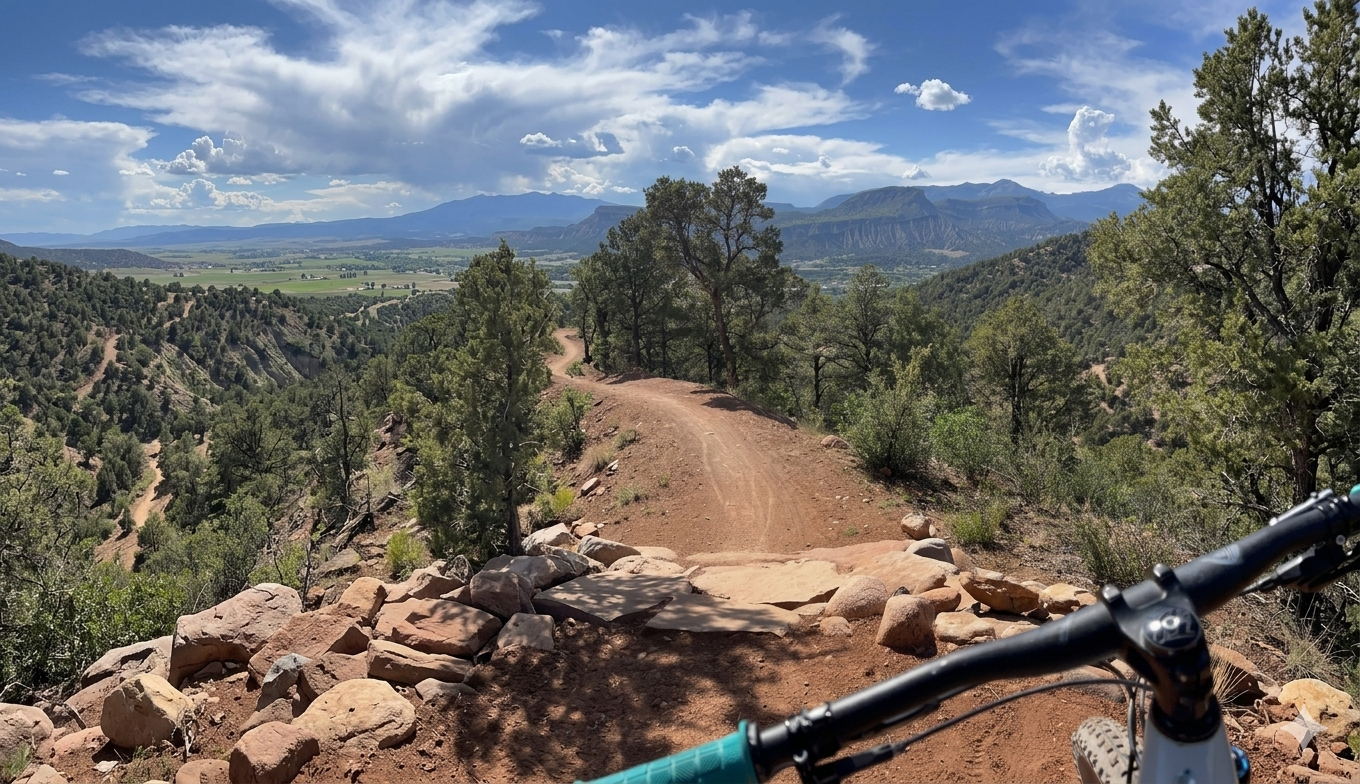
Cycling, running, hiking, and other aerobic activities can help develop your engine. Strength training can build the lower-body and core strength necessary for the descent. And single-leg work, balance, and coordination help prepare you for variable terrain.
Backcountry training isn't just about being able to climb a mountain.
It's about being able to climb the mountain and still have enough left in the tank to ski down well.
One of the biggest mistakes people make is waiting until the first snow to start getting ready.
By then, you've already missed the opportunity to build a base.
Ideally, ski conditioning should begin several weeks before you plan to ski. Sports medicine and training resources commonly recommend starting roughly six to eight weeks before the season, with some preseason programs recommending even longer.
That doesn't mean you need to spend six days a week in the gym.
Two or three well-designed strength sessions per week, combined with regular aerobic activity, can go a long way.
The important part is consistency.
2–3 days of strength training
Focus on full-body strength with an emphasis on:
2–3 days of conditioning
Depending on your goals, this could include:
If you're preparing for the backcountry, gradually increasing your aerobic volume and incorporating uphill work can be especially useful.
The exact program should depend on your current fitness, your skiing ability, and what you want to do once winter arrives.
There's a big difference between someone who plans to ski a few weekends at the resort and someone who wants to ski 30 days, chase powder, ski bumps, or spend weekends touring in the San Juans.
Your training should reflect that.
If you're primarily a resort skier or rider, you may want to put more emphasis on lower-body strength, power, balance, and the ability to repeat hard efforts.
If you're a backcountry skier, aerobic endurance becomes even more important because you're responsible for getting yourself up the mountain.
And if you're doing both, your program should develop both sides of the equation.
That's the advantage of strength and conditioning over simply doing a random "ski workout."
You're not trying to find one magic exercise that makes you better at skiing.
You're building the physical qualities that skiing demands.
Colorado gives us an incredible playground in the winter.
Whether your perfect day means first chair at the resort, chasing powder with friends, or skinning into the backcountry, being physically prepared allows you to get more out of it.
You don't need to become an elite athlete.
You just need to show up with enough strength, endurance, balance, and control to handle what the mountain throws at you.
And the best time to start building that fitness isn't after your first day of skiing.
It's now.
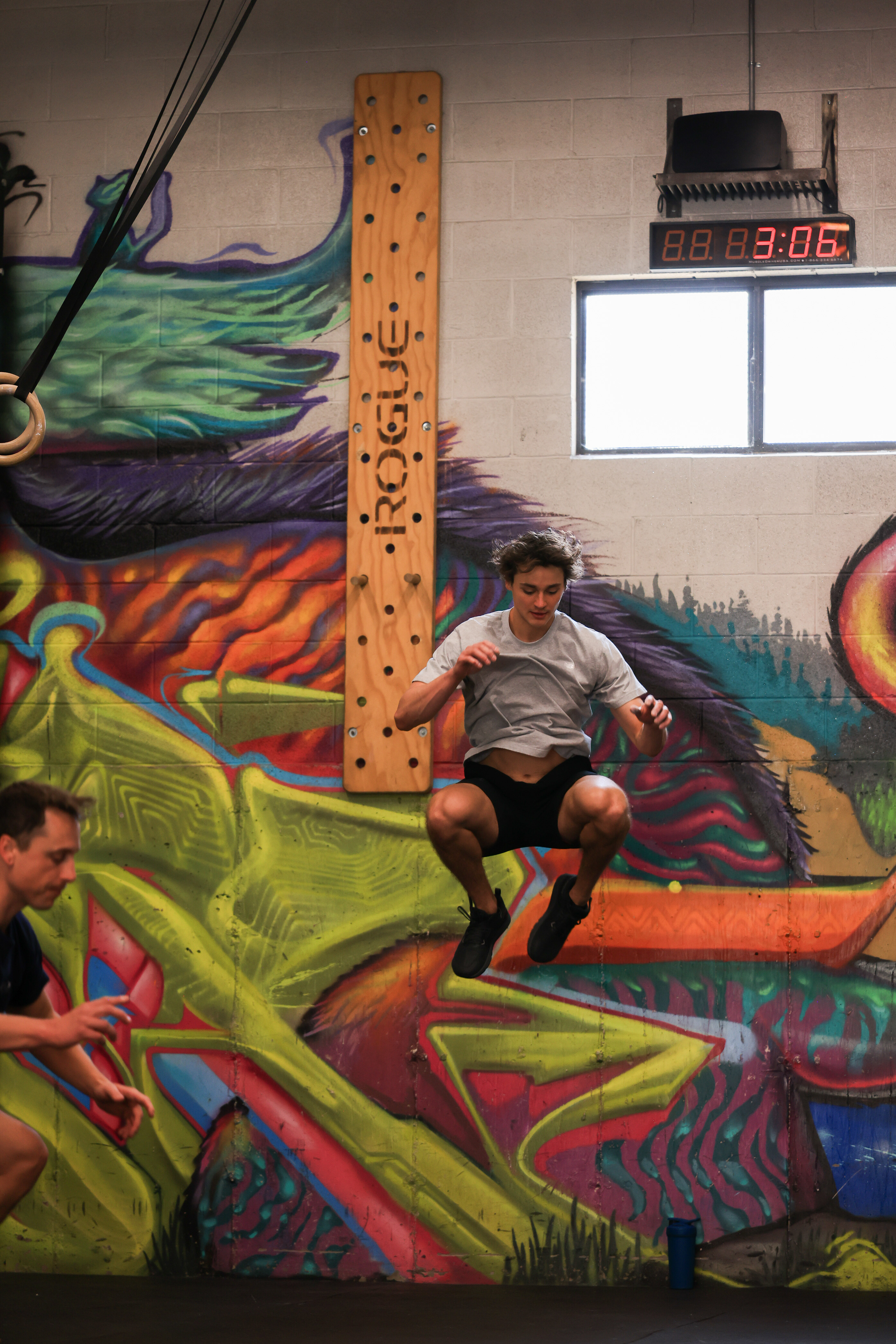
If you're in Durango and want to prepare for the upcoming ski season, strength and conditioning can be a great place to start. At Catacombs Fitness Collective, we work with people at different fitness levels and with different goals. From general fitness to preparing for the activities you love doing around Southwest Colorado.
Your ski season starts long before you put your skis on.
.png)

.jpeg)


